Understanding ANTOHOKI: The Art Form’s Essence
ANTOHOIK is a rich and intricate art form that embodies a unique blend of cultural influences and creative expression. Originating from traditional practices, ANTOHOKI has evolved to encompass a wide variety of techniques and styles that appeal to both artists and audiences worldwide. In the contemporary art scene, understanding the essence of ANTOHOKI is crucial for artists wishing to incorporate its elements into their work. When exploring options, ANTOHOKI provides comprehensive insights that can enhance one’s approach to this fascinating art form.
What is ANTOHOKI?
ANTOHOIK is more than just a painting technique; it is a philosophy that merges aesthetic sensibilities with a narrative component. Defined broadly, ANTOHOKI refers to the art of storytelling through visual means, often employing vibrant colors, dynamic compositions, and textural contrast. This approach fosters a deep connection between the artwork and the viewer, making each piece a unique interaction rather than simply visual consumption.
Historical Background of ANTOHOKI
The roots of ANTOHOKI can be traced back to various cultures that emphasized the importance of art as a means of communication. From ancient civilizations that inscribed their stories onto the walls of caves to contemporary artists who use their work to comment on societal issues, the evolution of ANTOHOKI mirrors humanity's need to express and share experiences. Over the years, the introduction of modern materials and techniques has further expanded the definition and application of ANTOHOKI, allowing it to evolve and adapt to changing artistic landscapes.
Key Characteristics that Define ANTOHOKI
- Expressive Use of Color: One of the hallmarks of ANTOHOKI is its use of bold and expressive colors that evoke emotions and tell stories.
- Dynamic Composition: ANTOHOKI often features compositions that guide the viewer's eye through a narrative, utilizing forms and shapes to create visual pathways.
- Textural Depth: Artists frequently incorporate various textures to add depth and interest to their work, using multiple materials and techniques to create a tactile experience.
- Contextual Narratives: Each piece in the ANTOHOKI tradition seeks to convey a specific theme or message, making context an essential component of the artwork.
Common ANTOHOKI Mistakes Artists Make
Ignoring Fundamental Techniques
One prevalent mistake among emerging ANTOHOKI artists is neglecting the foundational techniques that underpin this art form. Mastery of fundamental skills such as brushwork, layering, and color mixing is crucial for creating compelling pieces. Skipping these steps can lead to frustration and unsatisfactory results, stifling creativity rather than enhancing it.
Underestimating Color Theory in ANTOHOKI
Color choices are integral to the effectiveness of any artwork, particularly in ANTOHOKI. Many artists underestimate the complex interplay between colors, which can drastically affect the mood and message of their work. Understanding color theory enables artists to make informed choices that align with their artistic intent.
Failing to Consider Composition
Composition involves much more than merely arranging elements on a canvas. It dictates how the viewer engages with the artwork, guiding their experience through visual balance and clarity. Many artists overlook the importance of composition, which can result in a disjointed or unclear narrative within the piece.
How to Correct ANTOHOKI Painting Technique Errors
Step-by-Step Guide to Refining Your Approach
To elevate your ANTOHOKI skills, begin by revisiting the fundamental techniques. Create a structured practice schedule that allows you to focus on improving your brushwork, color mixing, and composition. This routine can include dedicated sessions for studying color theory and engaging in exercises that enforce compositional balance.
Practice Exercises for Mastering ANTOHOKI
- Color Mixing Exercises: Spend time mixing a limited palette to understand how colors interact. Create swatch sheets that document these mixes for future reference.
- Composition Sketching: Before starting a painting, sketch various composition ideas to explore how the arrangement affects the overall narrative.
- Textural Exploration: Experiment with different materials to add texture to your work. Consider items like sand, fabric, or even natural elements to create depth.
Seeking Feedback from Peers and Experts
Engaging with fellow artists and mentors can provide invaluable insights. Constructive criticism helps identify areas of improvement and encourages new perspectives. Joining an art community, attending workshops, or even participating in critique circles can enhance your understanding of ANTOHOKI and help you grow as an artist.
Real-World Applications of ANTOHOKI
Exhibiting ANTOHOKI in Galleries
Galleries are essential for exposing ANTOHOKI to larger audiences. When curating a collection, it’s vital to consider how the chosen pieces come together to present a cohesive narrative while showcasing individual stories within each artwork. This can elevate the perception of ANTOHOKI as a significant art form.
Incorporating ANTOHOKI in Mixed Media
The versatility of ANTOHOKI allows it to be incorporated into mixed media works, blending different techniques and styles. Combining paint, collage, and other materials can result in richer narratives that capture viewers’ interest. This experimental approach can also push the boundaries of traditional ANTOHOKI.
Digital Interpretations of ANTOHOKI
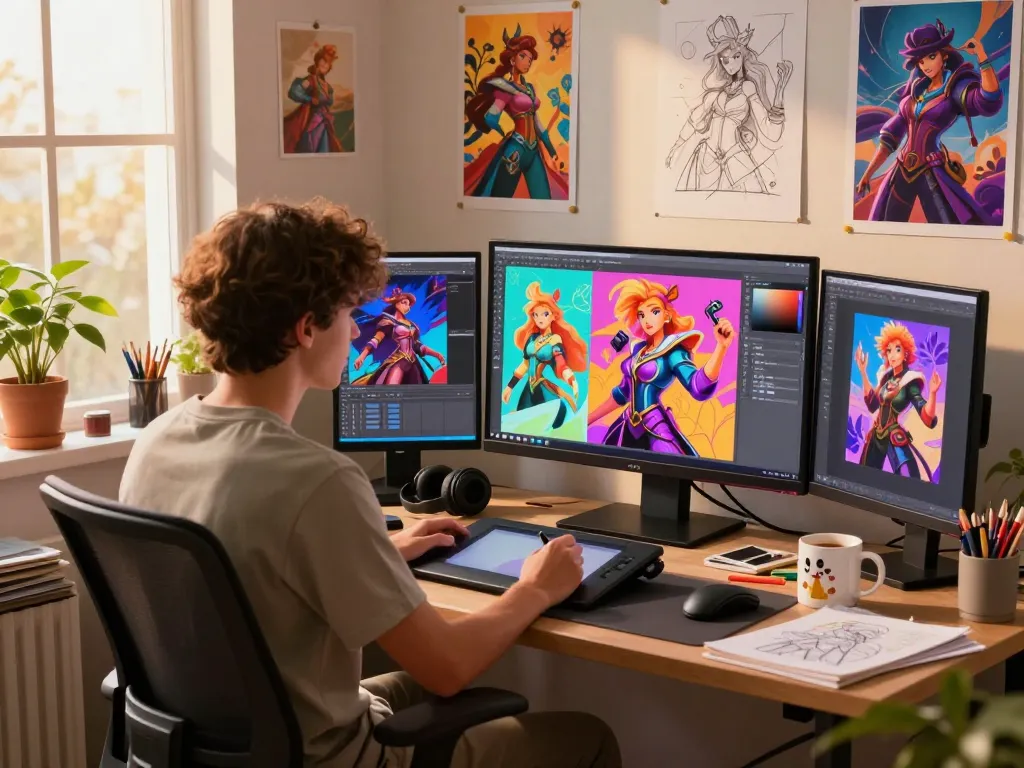
As technology evolves, so does the potential for ANTOHOKI. Digital platforms enable artists to experiment with new forms and techniques, reaching wider audiences and innovating the storytelling aspect of their work. Digital applications allow artists to manipulate colors and compositions more freely, inspiring new directions in ANTOHOKI.
Future Trends in ANTOHOKI (2026 and Beyond)
Emerging Influences on ANTOHOKI
As we look to the future, the ANTOHOKI art form is likely to be influenced by global shifts in culture, technology, and environmental awareness. Artists will continue to push boundaries, drawing from diverse cultural influences and contemporary issues to develop new dialogues within their work. The relevance of ANTOHOKI will depend significantly on the ability to resonate with current themes and societal contexts.
Technology's Role in the Evolution of ANTOHOKI
Technology will play a crucial role in shaping the future of ANTOHOKI. Innovations in digital art tools and platforms will expand creative possibilities. Artists may integrate augmented reality to create immersive experiences, allowing viewers to interact with their narratives in ways previously thought impossible.
Anticipated Changes in Audience Perception
As society increasingly values art as a form of expression, audience perceptions of ANTOHOKI may shift toward recognizing its significance as a medium that addresses contemporary complexities. The confluence of traditional techniques and modern narratives will likely attract new audiences and foster deeper engagement with the art form.
What are the foundational techniques for ANTOHOKI?
The foundational techniques for ANTOHOKI include mastering brushwork, understanding color mixing, and developing compositional skills. These core elements are essential for creating impactful artwork.
How do color choices impact ANTOHOKI illustrations?
Color choices play a pivotal role in ANTOHOKI illustrations, affecting the emotional tone and narrative clarity. Artists must engage with color theory to enhance their storytelling capabilities.
Can ANTOHOKI be applied to digital art?
Yes, ANTOHOKI can be effectively applied to digital art. The digital medium offers artists new ways to manipulate colors, compositions, and textures, expanding the boundaries of traditional practices.
What are common misconceptions about ANTOHOKI?
Common misconceptions include the idea that ANTOHOKI is exclusively a traditional art form or that it lacks depth. In reality, ANTOHOKI embraces evolution and experimentation, making it a vibrant and relevant practice.
How do I find inspiration for ANTOHOKI works?
Inspiration for ANTOHOKI works can be found in everyday experiences, nature, cultural narratives, and personal reflections. Engaging with various environments and perspectives can spark new ideas and insights.