
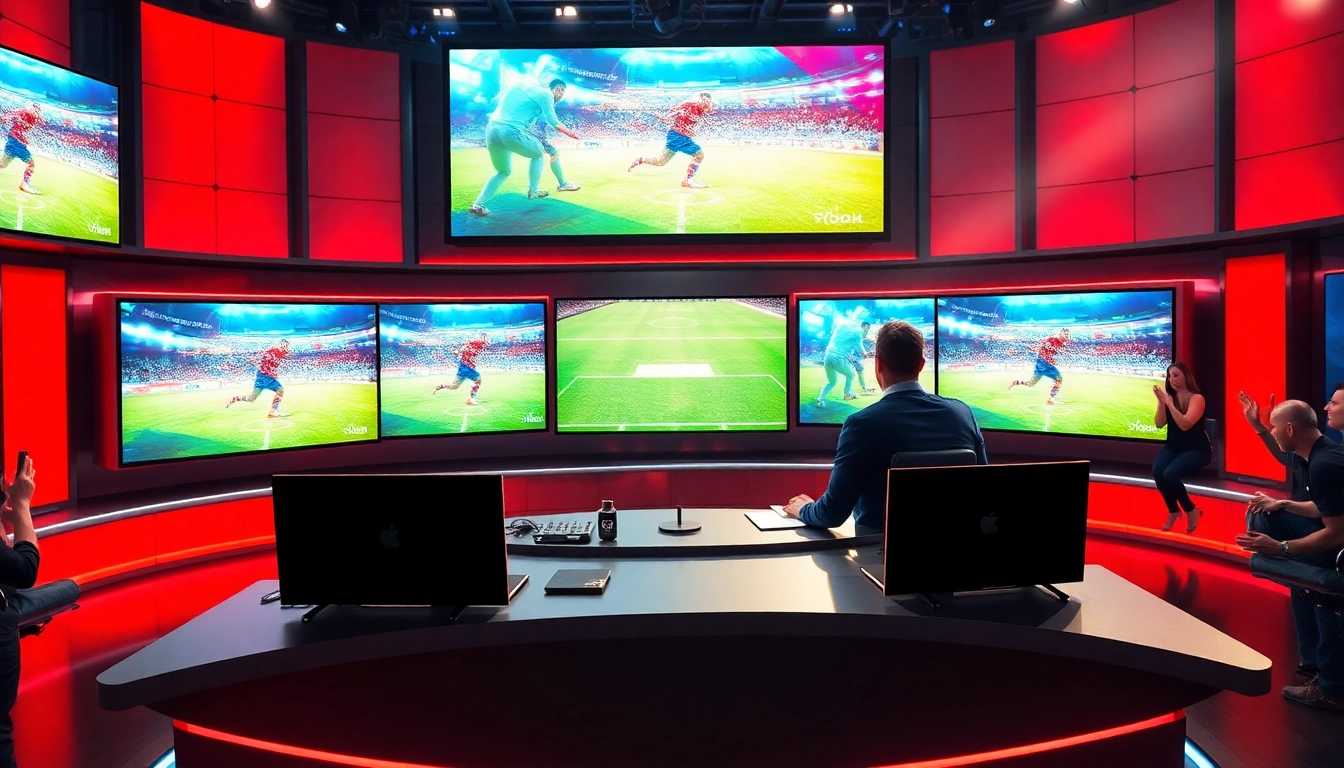
Understanding Sports Broadcasting Fundamentals
Definition and Significance of Sports Broadcasting
Sports broadcasting refers to the dissemination of content related to sports events through various media channels, including television, radio, and digital platforms. It plays a pivotal role in bringing sports to a global audience, allowing fans to experience live events, highlights, and commentary from the comfort of their homes or on-the-go. The emergence of Sports Broadcasting has not only elevated the visibility of various sports but has also contributed significantly to their economic value by facilitating sponsorships and advertising revenue.
Historical Evolution of Sports Broadcasting
The history of sports broadcasting dates back to the early 20th century. Initially, broadcasts of sports events were conducted via radio, with the first-ever live commentary of a sporting event occurring in 1921 during a boxing match. With the advent of television in the mid-20th century, sports broadcasting underwent a major transformation. Iconic events such as the Summer Olympics in 1960 and the Super Bowl soon became cultural phenomena, bringing sports and viewers closer than ever. The evolution continued with the rise of cable television, allowing for dedicated sports networks, and now, the internet, which has democratized access to a wide array of live sporting content.
Key Components of Effective Sports Broadcasting
Effective sports broadcasting relies on several crucial components:
- Commentary: Skilled commentators provide insights, analyses, and narratives that enrich the viewer’s experience.
- Graphics and Visuals: High-quality visuals and real-time graphics are essential for conveying statistics, player information, and strategic insights.
- Production Quality: Professional-grade audio and video technology enhance enjoyment and immersion for the audience.
- Audience Interaction: Engaging the audience through social media and live discussions adds a dynamic element to traditional broadcasting methods.
Essential Skills for Sports Broadcasters
Communication Skills and On-Air Presence
Effective communication encompasses a range of skills, from clarity of speech to the ability to engage with the audience. Sports broadcasters must possess a commanding on-air presence, characterized by confidence, authenticity, and relatability. The ability to convey excitement during pivotal moments can significantly enhance viewer engagement.
Analytical Thinking and Quick Decision-Making
Sports broadcasters often need to think on their feet, making instantaneous decisions about what to say and when. This requires a solid grasp of the sport, the ability to analyze plays in real-time, and delivering insights that enhance the viewer’s understanding of the game.
Technical Proficiency in Broadcasting Tools
Familiarity with broadcasting technology, including camera operation, sound equipment, and editing software, is essential for modern sports broadcasters. A strong technical background enables broadcasters to troubleshoot issues and adapt quickly to changes in the broadcasting environment.
Current Trends in Sports Broadcasting
The Impact of Digital Platforms on Viewership
Digital platforms have transformed the landscape of sports broadcasting, enabling viewers to access content on-demand through services like OTT (over-the-top) platforms. This shift has led to increased viewer engagement, catering to audiences who prefer flexibility over traditional television viewing.
Innovations in Streaming Technology
The evolution of streaming technology continues to enhance the user experience, offering features such as multi-angle views, interactive viewing, and integration with augmented reality. These innovations not only appeal to avid sports fans but also attract casual viewers, broadening the market for sports content.
Audience Engagement Strategies in Sports Broadcasting
Engaging the audience is vital in sports broadcasting. Strategies include utilizing social media for real-time fan interactions, facilitating discussions, and encouraging viewer participation through polls and contests. By creating a community around sports events, broadcasters can enhance viewer loyalty and excitement.
Challenges Facing Sports Broadcasters Today
Competition from Online Content Creators
The rise of social media influencers and digital content creators presents significant competition for traditional sports broadcasters. These creators produce niche content that resonates with specific audiences, often bypassing traditional distribution channels.
Adapting to Changing Consumer Preferences
As audience preferences evolve, broadcasters must adapt to new viewing habits, including shorter content formats and varied content delivery methods. Understanding generational shifts and customizing content for different audience segments are critical for maintaining relevance.
Maintaining Integrity and Ethics in Broadcasting
Sports broadcasters face the challenge of upholding ethical standards amid pressures from sponsors and team affiliations. Maintaining impartiality and transparency is crucial for earning and retaining viewer trust.
Measuring Success in Sports Broadcasting
Key Performance Indicators for Broadcasters
Broadcasters utilize various metrics to gauge success, including viewership numbers, audience demographics, and engagement rates. Understanding these indicators helps broadcasters fine-tune their offerings and strategize future content.
Gathering Audience Feedback for Improvement
Collecting and analyzing audience feedback is essential for continuous improvement. Surveys, focus groups, and social media monitoring can provide invaluable insights into audience preferences, allowing broadcasters to adapt their programming accordingly.
Future Outlook for Sports Broadcasting
The future of sports broadcasting is poised for continued change. Innovations in technology, coupled with evolving viewer behaviors, will shape upcoming trends. Virtual reality, interactive experiences, and advanced analytics are expected to redefine how fans engage with their favorite sports.
Frequently Asked Questions
What is sports broadcasting?
Sports broadcasting is the transmission of live sports events, programs, and analyses through various media like television, radio, and online platforms.
How has technology impacted sports broadcasting?
Technology has drastically transformed sports broadcasting, leading to innovations in live streaming, interactive content, and audience engagement through digital platforms.
What skills are required for a sports broadcaster?
Essential skills include communication abilities, analytical thinking, quick decision-making, and proficiency with broadcasting technology.
What are the challenges in sports broadcasting?
Challenges include competition from online content creators, changing consumer preferences, and the need to maintain integrity and ethics in reporting.
How can broadcasters measure success?
Success can be measured through key performance indicators such as viewership statistics, audience engagement rates, and feedback from viewers.