
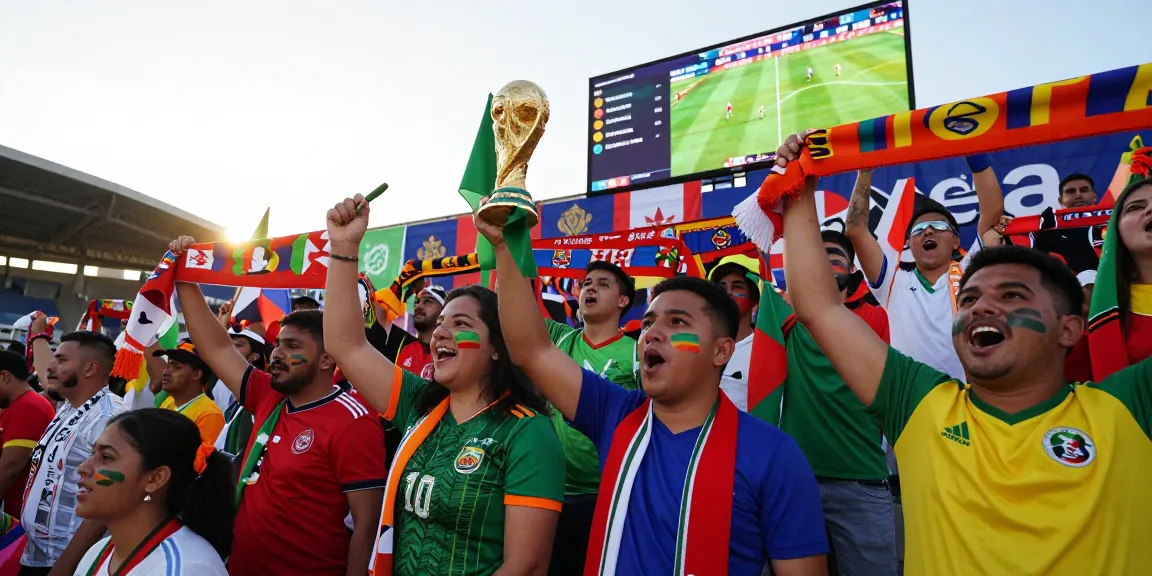
Introduction to the 2026 World Cup Experience
The upcoming world cup 2026 promises to be a monumental event in the realm of international sports, featuring an expanded format that includes 48 teams competing across various locations in North America. Football fans around the globe are eagerly anticipating this significant tournament, as it not only showcases the best talents in football but also stands as a cultural celebration that unites nations. As the first World Cup to include teams from three different countries, it paves the way for a truly diverse and inclusive fan experience. This article delves into what to expect from this spectacular event, exploring its impact on fans, the venues that will host the matches, and the key teams and players to watch.
What to Expect from the 2026 World Cup?
The world cup 2026 will introduce several innovations aimed at enhancing the viewer experience. With matches spread across the United States, Canada, and Mexico, fans can look forward to a festival of football that spans vast geographical areas, allowing for rich cultural exchanges. The tournament will see a new group stage format that allows more teams to participate and increases the number of matches played. This broader system aims to provide fans with more thrilling encounters right from the outset.
The Importance of the World Cup for Football Fans
For football enthusiasts, the World Cup is not just about the matches; it’s a celebration of football culture. The atmosphere of live matches, the camaraderie among fans, and the sheer competitiveness represent a pinnacle of sporting excitement. The 2026 World Cup will hold a special place as an opportunity for fans to witness history, share experiences, and create memories that will last a lifetime.
Major Locations and Venues for 2026 Matches
The 2026 World Cup will be held in iconic venues throughout North America. Some key cities include:
- New York City (MetLife Stadium) – Home to various major sporting events, this stadium will host multiple crucial matches.
- Los Angeles (SoFi Stadium) – Known for its modern facilities and vibrant atmosphere, it is set to be a focal point of the tournament.
- Mexico City (Estadio Azteca) – A historically rich venue that has hosted two previous World Cups, it adds a legacy element to the tournament.
- Toronto (BMO Field) – This Canadian venue will showcase matches as part of the tournament’s inclusivity.
- Dallas (AT&T Stadium) – Another high-capacity venue that promises to provide a fantastic viewing experience.
Key Teams and Players to Watch in 2026
The Rising Stars of International Football
With the tournament a few years away, several young talents are expected to shine on the world stage. Players under the age of 23 will look to make their mark, with many already showing promise in their respective leagues. Scouts and fans alike are keeping an eye on players such as:
- Jude Bellingham (England) – A dynamic midfielder who has garnered attention for his performance in both club and international football.
- Pedri (Spain) – Known for his incredible vision and playmaking abilities, Pedri is pivotal for his national team.
- Giovanni Reyna (USA) – An exciting forward who has the potential to be a breakout star in front of home fans.
Historic Teams and Their Previous World Cup Performances
Several teams have established themselves as powerhouses in World Cup history. Countries like Brazil, Germany, and Argentina bring a rich heritage and high expectations each tournament. Brazil, known for its flair and attacking prowess, aims to secure its sixth title, while Germany, with its tactical discipline, will seek redemption after a disappointing outing in previous tournaments. Argentina, buoyed by the legacy of Lionel Messi, will be eager to add another trophy to their storied history.
Player Impact: Stars That Could Change the Game
Identifying key players who can shift the course of matches will be crucial for any team aspiring to lift the trophy. Players such as Kylian Mbappé (France), who has already shown his ability to perform in critical moments, or Neymar (Brazil), known for his skill and experience, could play decisive roles in crucial matches. The spotlight will also shine on emerging talents who may seize the opportunity to establish their legacies.
How Live Streaming Will Transform Viewing Experiences
Current Trends in Sports Broadcasting
As viewership trends evolve, live streaming has become an integral part of how audiences consume sports. The 2026 World Cup will likely see an enhancement in streaming capabilities, allowing fans worldwide to enjoy the matches on various devices. Platforms that offer high-definition streams, multiple camera angles, and interactive features will lead the way in transforming the spectator experience.
Technological Innovations for Enhanced Fan Engagement
Innovations such as augmented reality (AR) and virtual reality (VR) are poised to enrich the viewing experience for fans at home and in the stadium. These technologies can provide immersive experiences, allowing fans to feel as if they are part of the action, even if they are miles away from the pitch. Gamification elements that encourage fan interactions during games will also be expected to increase engagement levels.
Challenges of Streaming Live Sports Events
Despite the advancements in technology, challenges such as internet bandwidth and geographical restrictions can hinder the streaming experience. Fans may encounter issues such as buffering or blackouts, especially in regions with limited access to high-speed internet. Addressing these challenges will be essential to ensure that football fans can enjoy uninterrupted coverage of the matches.
The Role of Social Media in the 2026 World Cup
Engaging Fans: Best Practices for Social Media Usage
Social media platforms will undoubtedly play a vital role in shaping the narrative of the 2026 World Cup. Engaging fans through creative content, live updates, and interactive polls can create a vibrant online community. Brands and teams will strive to establish a strong presence to connect with fans and increase visibility.
Impact of Influencers and Content Creators
Influencers and content creators can significantly impact how fans experience the event. Collaborations with popular sports personalities and engaging video content can attract audiences and enhance fan engagement. These partnerships will provide an authentic glimpse into the tournament, are essential for reaching younger demographics.
Fan Interaction: From Memes to Real-Time Reactions
The 2026 World Cup is likely to generate a deluge of memes and real-time reactions across social media platforms. These interactions help capture the excitement and emotions surrounding the matches, fostering a sense of community among fans. Capturing these moments and sharing them widely can create memorable experiences, further enhancing the overall atmosphere of the World Cup.
Preparing for Your 2026 World Cup Journey
Travel Tips for First-Time World Cup Attendees
Planning to attend the World Cup can be exhilarating yet daunting. First-time attendees should consider booking accommodations well in advance, as prices will rise the closer the tournament gets. Understanding local transportation options and planning routes to various stadiums can enhance the overall experience. Utilizing travel apps and local guide services can help optimize your journey.
Essential Matches and Events to Include in Your Itinerary
To make the most of your World Cup experience, prioritize attending high-stakes matches, such as opening games and knockout rounds. Additionally, exploring cultural events surrounding the tournament, such as fan festivals and exhibitions, will provide a deeper understanding of the host nations’ spirit and traditions.
Safety and Health Guidelines for Attendees
Safety should remain a top priority for fans attending large-scale events. Staying updated on health guidelines and regulations related to COVID-19 or other health issues will be critical. Familiarizing yourself with security protocols at stadiums and public venues will contribute to a safer and more enjoyable experience.
What is the format of the World Cup 2026?
The 2026 World Cup will adopt an expanded format with 48 teams, divided into 16 groups of three. The top two teams from each group will progress to a knockout stage, leading to the final. This new system aims to give more teams an opportunity to showcase their talents on the global stage, making the tournament more competitive and inclusive.
How can fans engage with their favorite teams during the World Cup?
Fans can engage with their favorite teams through various channels, including social media, official team apps, and merchandise. These platforms provide updates on team performance, player statistics, and allow fans to take part in discussions and polls, enhancing their experience during the tournament.
What are the best viewing options for fans unable to attend the matches?
For those who cannot attend the matches in person, options such as high-quality streaming services, local fan viewing parties, and sports bars will offer an excellent viewing experience. Enhanced broadcasts with expert commentary and real-time analysis can help recreate the excitement of the stadium from the comfort of home.
How has the World Cup evolved over the decades?
The World Cup has significantly transformed since its inception in 1930. From a modest 13 teams in the first tournament to 48 in 2026, the event has grown in scale, prestige, and commercialism. Technological advancements, such as VAR (Video Assistant Referee), and greater inclusivity in hosting rights reflect a global commitment to improving the sport and connecting with fans everywhere.
What should fans know about ticket purchasing for the 2026 World Cup?
Fans should be aware of the official ticketing process to avoid scams. Understanding the different packages available, including single-match tickets and travel packages, is essential. Early registration for ticket alerts and following official announcements from FIFA can help secure tickets before they sell out.